Your microscopic balcony holds infinite potential for spring transformation. You’re working with limited square footage, so you’ll need to think vertically—installing tiered planters, wall-mounted shelves, and overhead hanging systems to maximize planting capacity. The spatial arrangement you choose directly impacts how many herbs and flowers you can cultivate. But there’s a critical layout strategy that most gardeners overlook, and it’ll determine whether your setup thrives or merely survives.
Add Vertical Garden Shelves

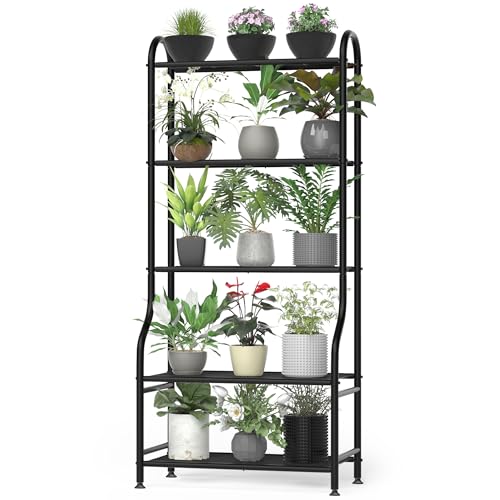
Because balcony square footage is limited, you’ll maximize your growing capacity by installing vertical shelves that climb your walls or railings. This space optimization strategy transforms underutilized wall areas into productive growing zones.
Select lightweight shelving materials—aluminum or composite wood—that withstand weather exposure without adding excessive weight to your structure. Mount shelves at varying heights to accommodate different plant sizes and light requirements.
Your plant selection should prioritize shallow-rooted species: herbs like basil and oregano, trailing succulents, and compact flowering plants. Arrange taller plants toward the back and shorter varieties forward to guarantee adequate light penetration across all levels.
Install shelves perpendicular to your balcony’s primary light source, positioning sun-demanding plants on upper tiers where exposure is strongest. This vertical arrangement increases your total growing surface area substantially while maintaining accessibility for watering and maintenance.



Hang Tiered Planters Overhead

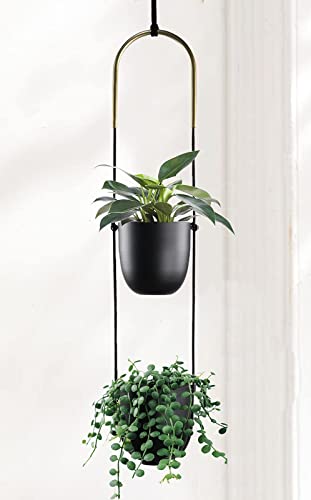
While vertical shelves maximize your wall space, hanging tiered planters add another dimension to your balcony’s growing potential—they’ll use overhead space you’ve likely overlooked. These tiered designs stack multiple planting levels vertically, dramatically increasing your plant density without consuming precious floor area.
Install sturdy hooks into your balcony ceiling or pergola structure, ensuring they support your planter’s weight when saturated with soil. Tiered planters work exceptionally well for hanging vines, trailing succulents, and cascading flowers that create dynamic visual layers.
Position planters strategically to avoid blocking light from reaching lower-tier plants. Stagger the tiers so water drains naturally without soaking upper plantings. This overhead approach transforms underutilized cubic footage into thriving garden real estate, maximizing your spring balcony ecosystem.


Add Colorful Potted Flowers
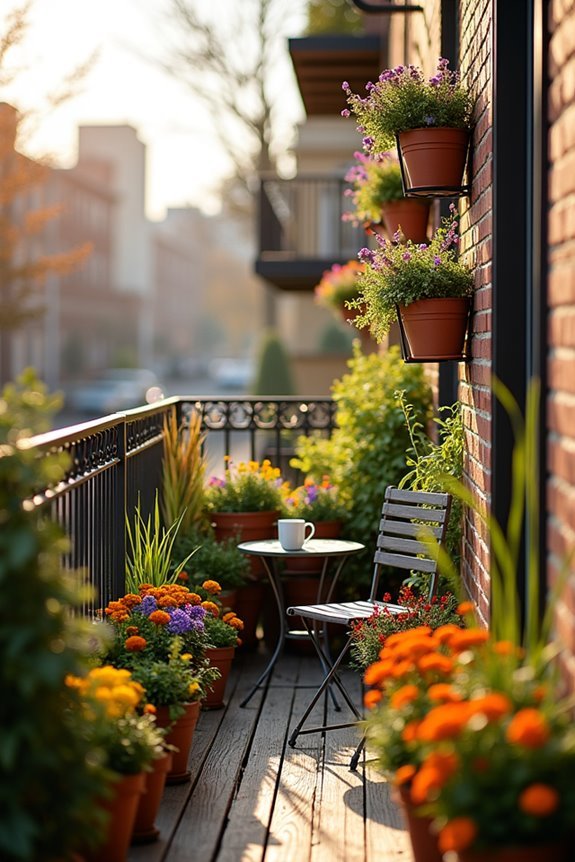
After maximizing your vertical infrastructure, potted flowers provide the flexible color palette and seasonal variety that transform your balcony’s aesthetic. You’ll strategically arrange containers at varying heights to create visual depth and maximize light exposure across your compact space.
Select seasonal blooms tailored to your climate zone and balcony’s sun orientation. Spring offers vibrant tulips and pansies; summer delivers zinnias and marigolds; fall brings chrysanthemums and ornamental grasses. Grouping colorful blooms by height—trailing varieties cascading from elevated surfaces, mid-level plantings at railing height, and compact specimens at ground level—establishes a cohesive botanical composition.
Choose containers with adequate drainage holes and quality potting soil. Position high-light species southward; shade-tolerant plants northward. This spatial arrangement guarantees ideal photosynthesis while maintaining accessible maintenance pathways within your constrained footprint.


Install a Compact Seating Nook

Two strategic placement options‘ll transform your balcony into a functional retreat: positioning a slim bistro set or corner bench along your longest edge maximizes usable floor space while preserving circulation routes between plantings. Your furniture selection should prioritize vertical-leg designs that expose ground area, preventing visual clutter in compact zones. Consider folding chairs that tuck away when unused, maintaining flexibility for seasonal plantings. Layer outdoor cushions in moisture-resistant fabrics to add comfort without bulk. Select neutral tones that complement your flower palette while reflecting heat. Position seating to face your densest planting arrangements, creating sight lines that amplify the garden effect. This spatial arrangement encourages you to linger among your greenery while optimizing every square inch of your pocket-sized outdoor sanctuary.


Add a Compact Bistro Table

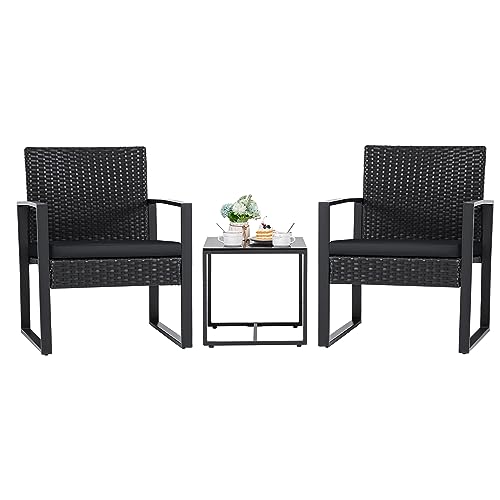
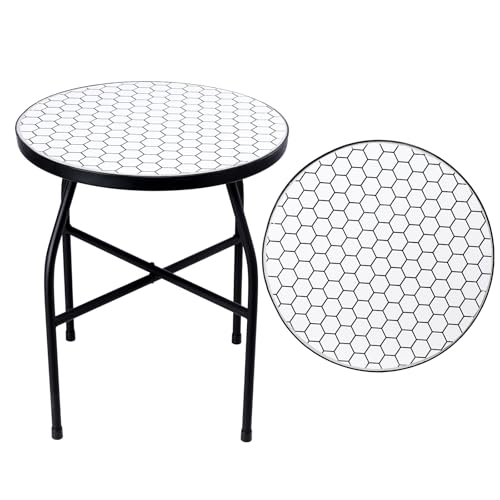
As you’ve anchored seating against your longest edge, a compact bistro table becomes the spatial linchpin that transforms your nook into a functional outdoor room. A 24-30 inch diameter round table maximizes usable floor space while maintaining sightlines to your greenery. Position it centrally to create dining inspiration without blocking movement patterns.
Select surfaces that withstand moisture and UV exposure—powder-coated metal or sealed wood work effectively. Consider a pedestal base that frees floor area for trailing planters or vertical gardens beneath. Your bistro table’s height should align with your seating, creating ergonomic comfort.
Vertically integrate your balcony decor by placing potted herbs or compact flowering plants around the table’s perimeter. This arrangement establishes zones while your greenery softens hard edges and maximizes limited square footage.


Create a Living Wall Feature
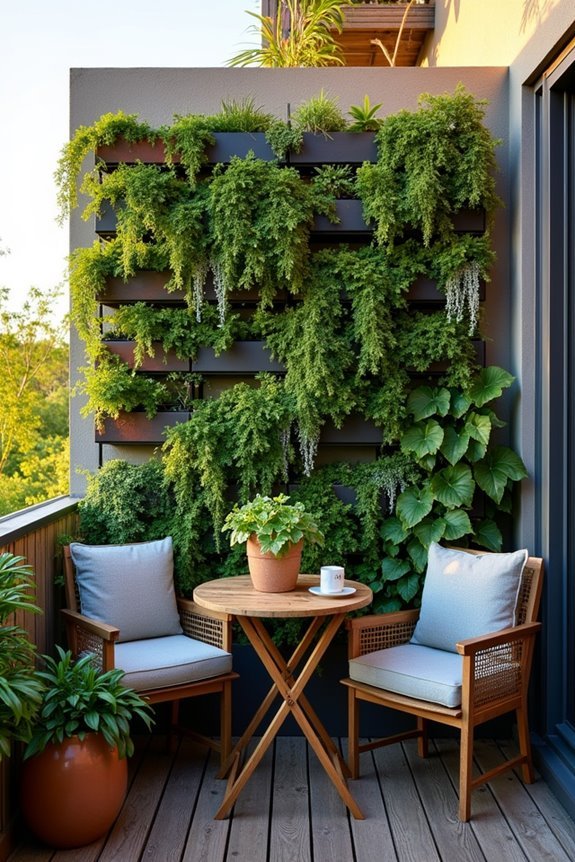
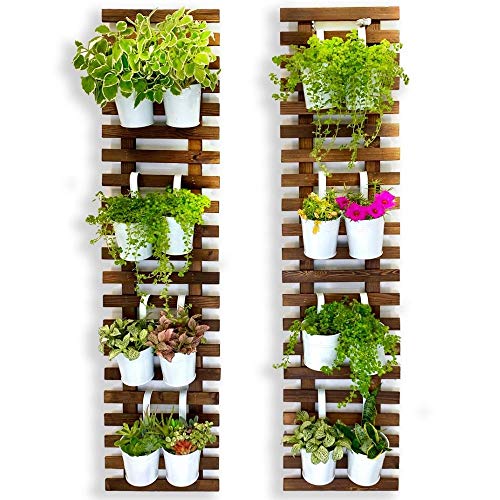
Your bistro table anchors the horizontal plane—now claim your vertical dimension with a living wall that multiplies your growing capacity without consuming precious floor space. Install a modular panel system or pocket planter against your balcony’s back wall, selecting shallow-rooted specimens like sedums, pothos, or ferns that thrive in vertical plantings. Orient sun-loving plants toward exposure; shade-tolerant varieties face away.
Living wall maintenance requires consistent attention. Water from the top, allowing drainage through each tier. Check soil moisture daily—vertical plantings dry faster than traditional containers. Feed monthly with diluted liquid fertilizer, as nutrients leach rapidly through stacked layers. Prune leggy growth to maintain density. Rotate individual plants seasonally to promote even development. This engineered ecosystem transforms underutilized wall area into a dynamic, productive garden feature.


Install String Lights Overhead

Once you’ve anchored your vertical plantings, overhead illumination completes the spatial composition by extending usability into evening hours while enhancing the living wall’s visual impact. Strategic light installation across your balcony ceiling creates layered depth that accentuates foliage texture and promotes continued photosynthesis during shifting seasons.
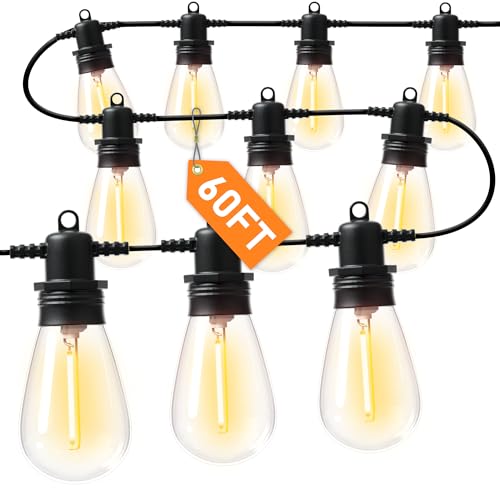
Choose warm-toned LED strings that complement verdant foliage without generating excessive heat near delicate plant tissues. Drape lights in geometric patterns—diagonal or grid formations—that distribute illumination evenly across the growing space. This ambiance enhancement simultaneously improves plant visibility for monitoring growth conditions and establishes functional evening zones.
Install fixtures on sturdy overhead structures, ensuring adequate clearance from moisture-prone vegetation. Weatherproof connections prevent electrical hazards in humid balcony environments. Your transformed micro-space now functions as a botanical retreat from dusk through nightfall.


Add a Compact Bistro Table

Introducing seating furniture anchors your balcony’s functional transformation, creating a defined gathering zone that doesn’t compete with your vertical plantings or overhead illumination. A compact bistro table—typically 24 to 30 inches in diameter—maximizes space optimization while enabling outdoor dining. Choose folding or nesting designs that collapse when unused, liberating floor area for container gardens or foot traffic.
Position your table strategically near the railing to capitalize on sightlines without blocking plant arrangements. Materials matter: lightweight aluminum frames resist corrosion, while weather-sealed wood surfaces withstand seasonal exposure. Pair your bistro setup with stackable chairs that tuck beneath the tabletop for seamless integration.
This furniture selection transforms your confined balcony into a functional retreat, balancing social seating with horticultural displays.

Add a Water Feature
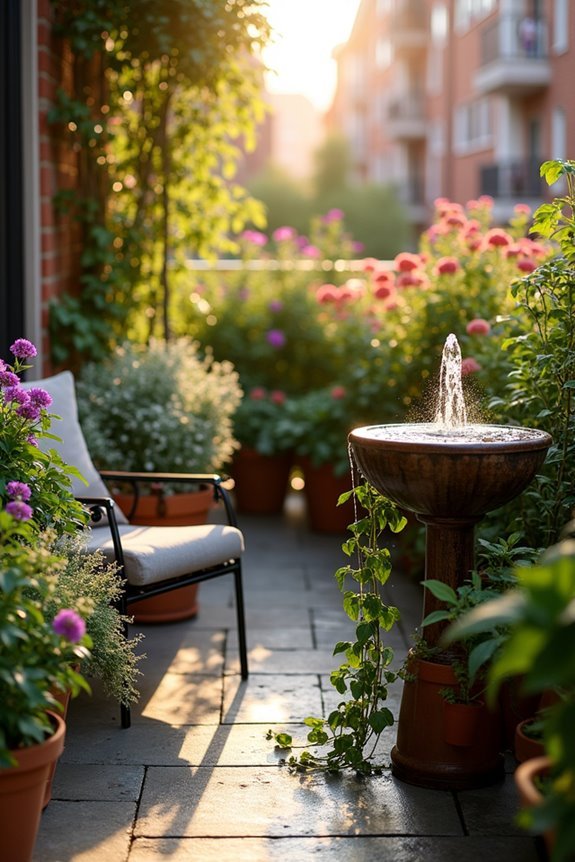
While bistro seating establishes your balcony’s social hub, water features elevate the sensory experience by introducing movement, sound, and microclimate benefits that amplify plant health. Consider your spatial constraints when selecting water types. Tabletop fountains occupy minimal footprint while recirculating systems conserve water efficiently. Wall-mounted cascades direct moisture downward, benefiting trailing plants positioned beneath.
You’ll maximize humidity in your microclimate, reducing transpiration stress on foliage during spring’s variable temperatures. The gentle circulation oxygenates surrounding air, promoting robust plant growth.
Maintenance tips prove essential for compact installations. You’ll need weekly water-level checks and monthly algae prevention through small fountain treatments. Position your feature away from seating areas to avoid splashing, and ascertain electrical outlets remain weatherproofed. This strategic placement transforms your balcony into a thriving botanical sanctuary.


Add Cascading Herb Garden Box

Cascading herb garden boxes maximize your vertical growing capacity while creating dynamic visual layers across your balcony’s footprint. You’ll strategically stack tiered planters to cultivate herb varieties like basil, oregano, thyme, and mint without consuming precious square footage.
Position your boxes to receive 6-8 hours of direct sunlight daily. Guarantee proper drainage by drilling holes in each container’s base, preventing root rot in your compact space.
Your garden maintenance routine remains straightforward: water when soil feels dry an inch below the surface, and pinch stems regularly to encourage bushier growth. Rotate herb varieties seasonally to optimize your yields. This spatial solution transforms underutilized vertical areas into productive growing zones while providing fresh culinary herbs steps from your kitchen.