Like Prometheus bringing fire to humanity, you’re about to transform your patio into an enchanting nighttime sanctuary. Strategic lighting doesn’t just illuminate—it architects mood, defines spaces, and guides movement through your outdoor environment. You’ll uncover how layering multiple light sources creates depth and visual interest. But the real magic happens when you understand which techniques work where.
String Lights Create Ambiance

When you’re transforming your patio into an evening retreat, string lights deliver immediate visual impact through warm, distributed illumination. You’ll find them versatile for both romantic evenings and festive gatherings.
Choose between Edison bulbs for vintage aesthetics, globe lights for contemporary appeal, or fairy lights for delicate accents. Position them overhead in geometric patterns or draped loosely for organic flow. Hang them from pergolas, fences, or trees to create layered depth.
You can adjust brightness by spacing bulbs closer together or farther apart. LED options provide energy efficiency and longevity, operating 25,000+ hours. Consider weatherproof fixtures rated for your climate.
String lights don’t require permanent installation, allowing you to reconfigure layouts seasonally. They’re affordable, reliable, and transformative—instantly elevating your outdoor environment’s visual appeal and functional usability.


Lanterns Add Elegant Focal Points
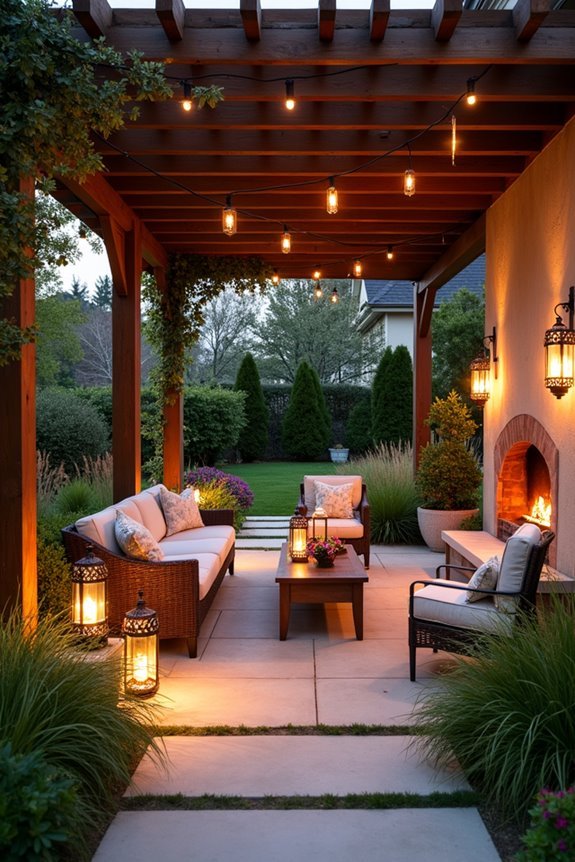
Lanterns serve as architectural anchors that draw the eye while casting directional light across your patio’s landscape. You’ll find that hanging lanterns suspended from pergolas or trees create layered illumination that transforms your outdoor space into an inviting retreat.
Decorative lanterns positioned on tables or built-in shelving establish visual hierarchy and focal points throughout your seating areas. Choose from Moroccan-inspired designs, modern geometric frames, or traditional candle-holding styles to match your aesthetic preferences.
You can maximize their impact by grouping lanterns in odd numbers—three or five units create dynamic visual arrangements. Install them at varying heights to generate depth and visual interest. LED bulbs inside lanterns provide consistent, flicker-free light while reducing maintenance demands. This strategic placement elevates your patio’s sophistication while delivering practical task lighting.


Uplighting Highlights Garden Features

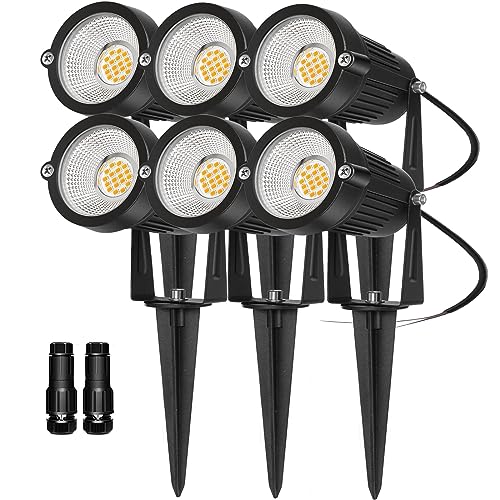
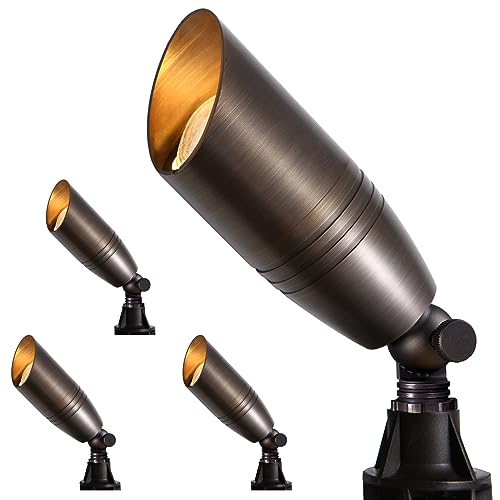
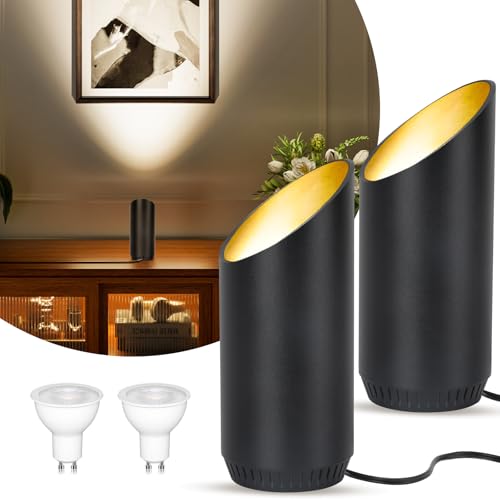
While traditional overhead lighting flattens your landscape, uplighting strategically positioned at ground level transforms architectural elements and plantings into dramatic focal points. You’ll create striking tree silhouettes by placing fixtures at the trunk’s base, casting shadows upward through canopy branches. This technique adds depth and dimension to your outdoor space.
Position uplights to graze garden sculptures, emphasizing texture and contour. Angle lights at 45 degrees to highlight stone details without creating harsh glare. You can accentuate water features, specimen plants, and hardscape elements with precision placement.
Use low-voltage LED uplights for energy efficiency and heat-free operation. Install fixtures behind plantings to hide the light source while maximizing visual impact. This layered approach creates sophisticated ambiance while directing attention to your garden’s best architectural features.

Solar Lights Save Energy Costs

Solar-powered fixtures eliminate the need for electrical wiring while slashing your energy bills throughout the year. You’ll appreciate the solar efficiency these lights deliver—they harness daylight and convert it into nighttime illumination without drawing from your grid.
You can strategically place solar pathway lights, deck lights, and accent fixtures anywhere on your patio without worrying about extension cords or installation costs. The integrated photocells automatically activate at dusk and deactivate at dawn, maximizing energy conservation effortlessly.
Modern solar panels absorb sunlight even on cloudy days, ensuring consistent performance. You’ll notice reduced electricity consumption within your first billing cycle. These durable, weather-resistant lights require minimal maintenance and typically last 3-5 years, making them a cost-effective investment that brightens your outdoor space sustainably.


Bistro Lights Define Outdoor Dining

When you’re creating an inviting outdoor dining atmosphere, bistro lights deliver the warm, intimate ambiance that transforms your patio into a sophisticated gathering space. These delicate string lights, typically featuring Edison or vintage-style bulbs, cast soft, golden glows across your bistro table and outdoor seating arrangements.
You’ll appreciate how bistro lights define distinct dining zones while maintaining sight lines throughout your patio. Install them overhead in crisscross patterns or drape them along railings to create visual structure. The warm color temperature—usually 2700K—flatters skin tones and encourages lingering conversations.
For peak performance, space bulbs 12-18 inches apart and position them 7-8 feet above your dining surface. You can combine bistro lights with dimmer controls to adjust intensity based on dining occasions, maximizing both functionality and aesthetic appeal.


Recessed Deck Lighting Ensures Safety
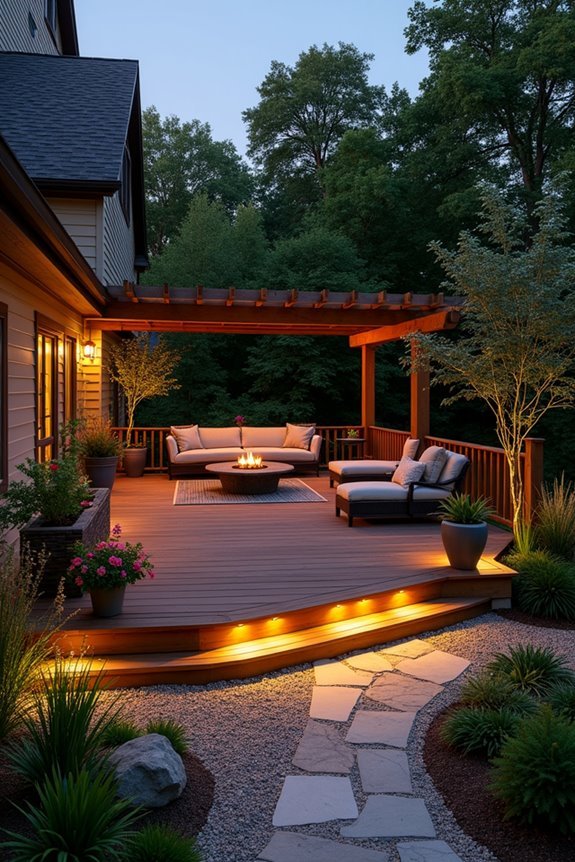
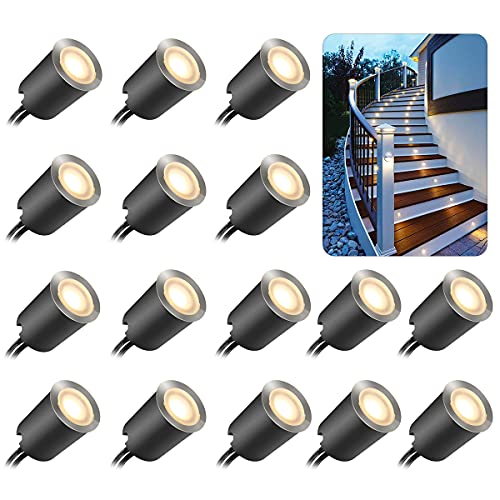
Because deck surfaces present tripping hazards in low light, recessed lighting eliminates shadows and illuminates stairs, level changes, and walking paths with precision. You’ll appreciate how strategically placed fixtures create a safer environment while maintaining your design aesthetics.
Recessed deck lighting serves dual purposes: it’s both a practical safety measure and an elegant design element. You can install fixtures along deck edges, under railings, or beneath step treads to guide foot traffic effectively. Low-voltage LED options provide excellent outdoor visibility without consuming excessive energy.
You’ll find that proper spacing prevents dark spots where accidents happen. Consider warm-toned LEDs for ambiance while keeping safety important. This approach guarantees your guests navigate confidently after sunset, combining functional safety measures with sophisticated visual appeal for your outdoor entertaining space.


Pathway Markers Guide Evening Strolls
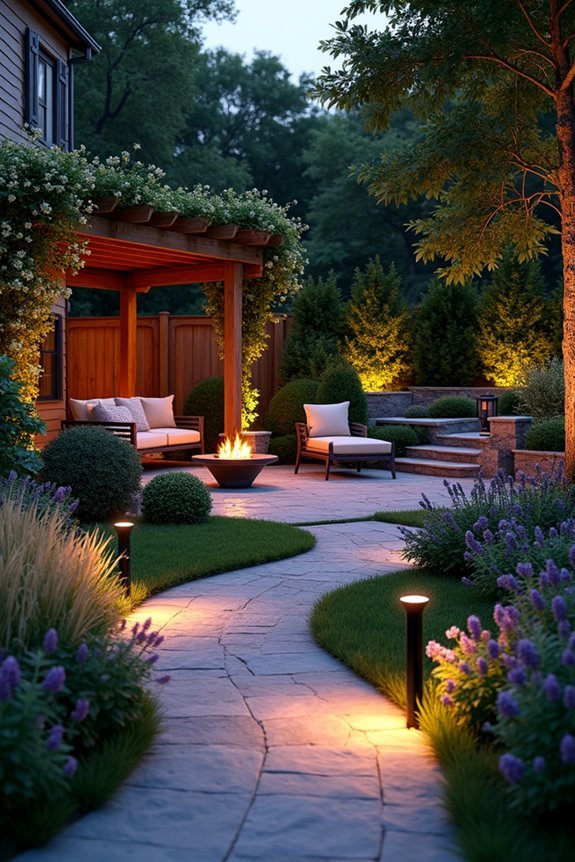
Strategically placed markers transform dark garden routes into clearly defined passages you’ll navigate with confidence. You can choose from various pathway styles—linear borders, curved accent lighting, or scattered focal points—depending on your landscape layout.
For lighting materials, you’ve got excellent options. Solar-powered stake lights offer energy efficiency and easy installation. LED strip lights embedded along edges create continuous visual guides. Recessed ground fixtures provide subtle illumination without obstruction. Uplighting techniques highlight architectural features while guiding your steps.
Consider spacing markers 2-3 feet apart for ideal visibility. Position them slightly offset from the walkway’s center to avoid tripping hazards. Warm-toned LEDs (2700K) enhance safety while maintaining ambiance.
These markers serve dual purposes: they illuminate your evening strolls while establishing visual boundaries. Your outdoor space becomes accessible, inviting, and safer after dusk.


Spotlights Enhance Architectural Elements

Spotlights strategically direct focused beams onto architectural features, transforming ordinary structures into dramatic focal points after dark. You’ll achieve professional-grade results by positioning lights at 45-degree angles to create pronounced architectural shadows that add depth and dimension to your patio.
Select uplighting to emphasize columns, stone walls, or textured surfaces. Downlighting works effectively for highlighting roof lines and pergola structures. Adjust beam angles and intensity to highlight textures—whether that’s brick patterns, wood grain, or decorative tilework—creating visual interest that evolves throughout the evening.
Quality spotlights with adjustable lenses let you fine-tune the effect. Mount fixtures low to ground level for dramatic uplighting, or install them at elevated points for downward emphasis. This layered approach maximizes architectural character while maintaining functional illumination.


Fire Pit Glow Warms Gatherings

When you’re designing patio lighting around a fire pit, you’ll want to balance the flames’ natural glow with supplemental fixtures that extend usability into deeper twilight hours. Position LED uplights around fire pit seating to create layered illumination that complements the flickering ambiance without overwhelming it. Install dimmers on nearby path lights and deck fixtures to adjust intensity as darkness falls. The fire’s warmth naturally draws people together, so strategically place low-level accent lighting that enhances conversation spaces without casting harsh shadows across faces. Consider solar-powered options along seating areas to reduce wiring complexity. This approach maximizes the fire’s inherent appeal while ensuring your guests remain comfortable and engaged throughout the evening.


Sconces Mount on Walls

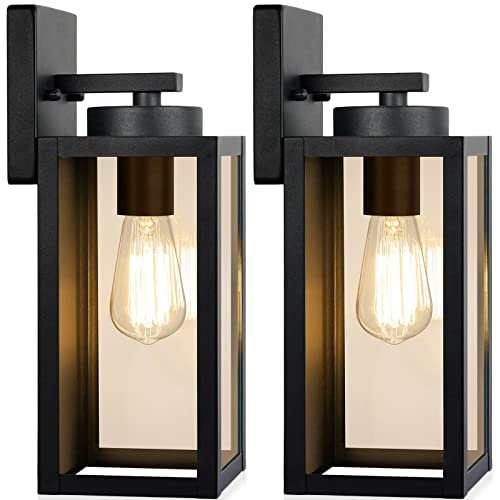
Wall-mounted sconces deliver focused illumination that frames your patio’s architecture while eliminating the need for freestanding fixtures. You’ll find various sconce styles—from modern minimalist designs to traditional lantern forms—that complement your outdoor aesthetic.
Strategic wall placement amplifies their effectiveness. Install sconces flanking entryways at eye level to create welcoming focal points. Position them along pergolas or fence lines to outline your patio’s perimeter and enhance safety. For dining areas, mount sconces at consistent heights above seating to provide ambient lighting without glare.
Consider your fixtures’ material durability; opt for weather-resistant metals and tempered glass rated for outdoor conditions. Adjust brightness levels by selecting dimmable LED sconces, allowing you to customize the atmosphere for different occasions. Proper spacing—typically 6 to 8 feet apart—ensures even illumination throughout your entertaining space.