Studies show that 73% of homeowners regret their outdoor furniture choices within two years. You’re likely facing similar pressures—climate concerns, space limitations, budget constraints. But here’s what most people miss: the intersection of comfort, durability, and style isn’t complicated. It just requires the right framework. Let’s explore what actually matters.
Assess Your Available Space

Before you select outdoor seating, you’ll need to evaluate your space’s dimensions, layout, and existing features. Measure your patio, deck, or garden carefully to determine what’ll actually fit without crowding the area.
Consider traffic flow—you’ll want clear pathways for movement. Identify focal points like views, fire pits, or water features that’ll anchor your furniture arrangement.
Think about shade patterns throughout the day. Notice where trees, structures, or pergolas cast shadows, as this impacts comfort and usability.
Assess your space’s style too. Does it lean modern, rustic, or eclectic? Your seating should complement existing landscaping and architectural elements.
Don’t forget practical considerations: ground surface, moisture exposure, and nearby structures. These factors influence which materials and styles’ll work best for your outdoor environment.


Consider Your Climate
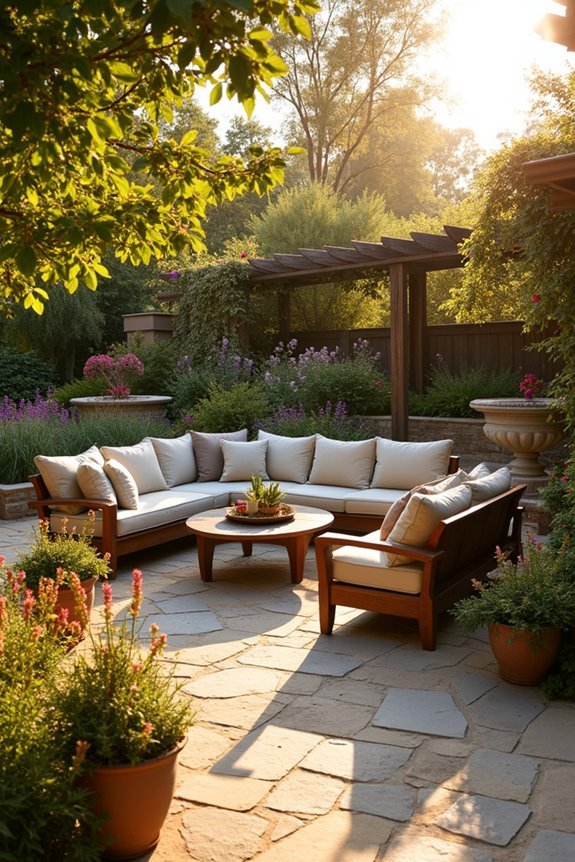
Climate dramatically shapes your outdoor seating choices, so you’ll want to evaluate your region’s weather patterns before investing in furniture. Your climate zone determines which materials withstand moisture, UV exposure, and temperature fluctuations. In humid regions, opt for teak, aluminum, or synthetic wicker that resist rot and corrosion. Desert climates demand fade-resistant fabrics and heat-reflective finishes that won’t burn skin. Cold areas require furniture that handles freeze-thaw cycles without cracking or warping.
Consider seasonal usage too. Year-round climates benefit from durable, weather-resistant pieces that stay outside. Temperate zones allow lighter materials you can store seasonally. Evaluate rainfall intensity, wind patterns, and sun exposure on your specific seating area. Protective covers and strategic placement extend furniture longevity while maintaining aesthetic appeal and functional reliability across seasons.
*Consider Your Budget and Materials**
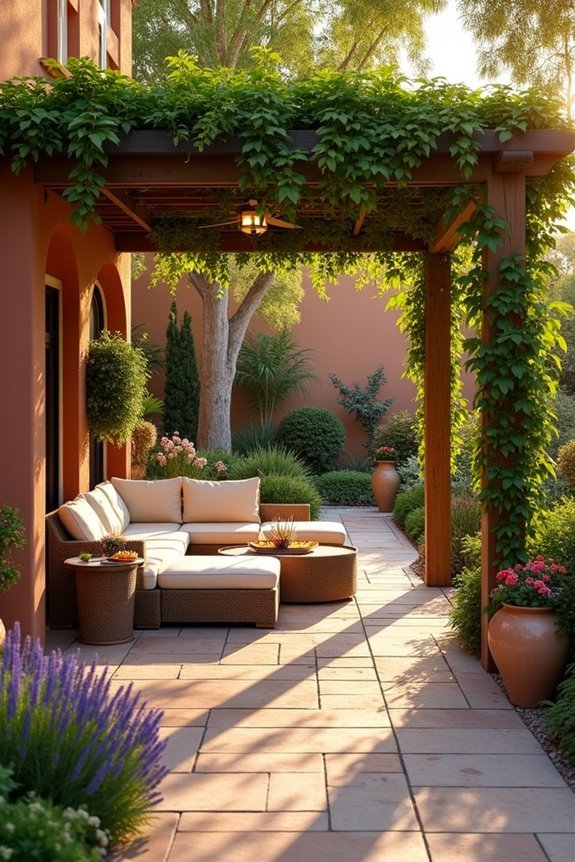
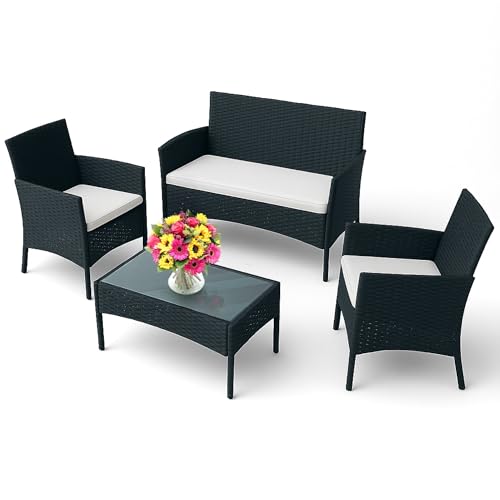
Your investment in outdoor seating hinges on balancing cost with durability and aesthetics. You’ll find material types ranging from budget-friendly plastic to premium teak wood, each offering distinct advantages. Aluminum provides lightweight durability at moderate prices, while wicker delivers visual warmth but requires maintenance. Stone and concrete suit permanent installations.
Evaluate long-term value rather than initial expense. Cheaper materials may demand frequent replacement, negating savings. Consider financing options if you’re investing in high-end pieces—many retailers offer payment plans.
Match materials to your climate needs. Rust-resistant metals suit humid regions, while weather-resistant cushions protect fabric investments. Think functionally: do you prioritize easy maintenance or premium aesthetics? Your budget ultimately shapes material selection, so prioritize what matters most for your space’s longevity and visual appeal.
Evaluate Durability and Weather Resistance

Since outdoor seating faces constant environmental stress, you’ll want to assess how materials withstand UV exposure, moisture, temperature fluctuations, and seasonal weather patterns. Different material types require varying levels of maintenance and offer distinct usage longevity.
Teak and cedar naturally resist rot and decay, extending their lifespan considerably. Aluminum resists rust effectively but can fade under intense sun. Wrought iron demands regular maintenance to prevent corrosion. Synthetic wicker provides excellent durability without weather-related deterioration.
Consider your climate’s specific challenges—coastal areas demand salt-resistant materials, while regions with freeze-thaw cycles need materials that won’t crack. Evaluate whether finishes like powder coating or sealants enhance protection. Quality construction matters equally; reinforced joints and corrosion-resistant hardware guarantee your seating investment withstands years of outdoor exposure and maintains both function and aesthetics.

Prioritize Seating Comfort Level

While durability guarantees your outdoor seating lasts through seasons of use, comfort determines whether you’ll actually want to spend time there.
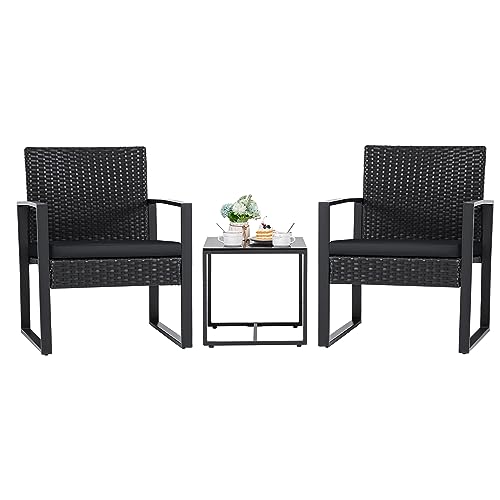
You’ll want to examine cushion thickness carefully—aim for at least four inches to provide adequate support without feeling flimsy. Test the ergonomic design by sitting in potential pieces; your back should feel naturally supported, and your feet should rest flat on the ground or a footrest.
Consider seat depth relative to your leg length, ensuring you’re not perched awkwardly. Armrest height matters too—they shouldn’t force your shoulders up or leave your arms unsupported.
Don’t overlook the fabric feel against your skin. Quality outdoor cushions combine softness with durability. When you’ve found seating that checks both boxes, you’ve found your match.

Think About Maintenance Requirements
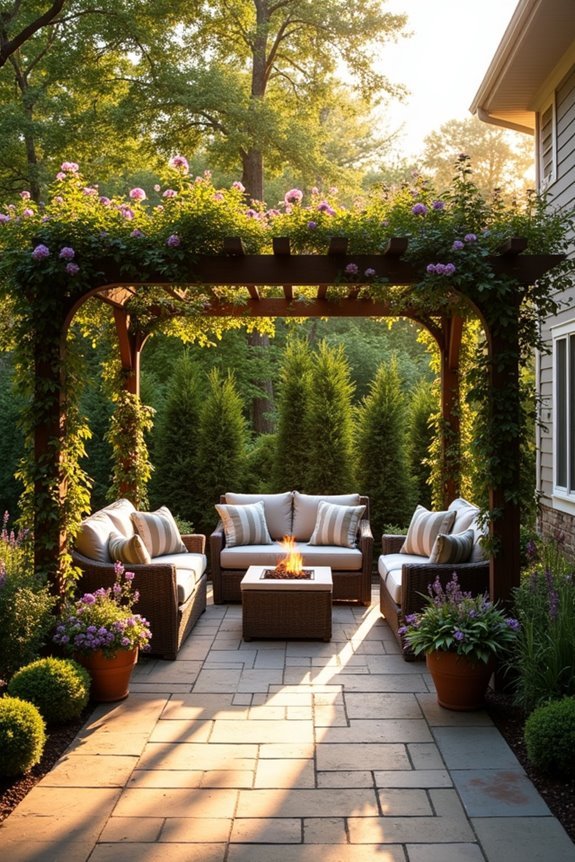
Once you’ve settled on comfortable seating, consider how much upkeep you’re willing to commit to—because beautiful outdoor pieces demand attention to stay that way. Different materials require vastly different cleaning frequencies and levels of dedication.
Teak and cedar naturally resist weathering, needing only occasional cleaning. Aluminum demands minimal maintenance but can show fingerprints easily. Wicker requires regular dusting and protection from moisture. Cushions need seasonal storage or waterproof covers.
Evaluate material longevity against your lifestyle. If you’re reluctant to deep-clean monthly, avoid materials that demand it. Powder-coated metal offers durability with straightforward care. Stone seats need periodic sealing but last decades.
Match your choice to your commitment level. You’ll enjoy your outdoor space far more when maintenance feels manageable rather than burdensome.


Choose a Seating Style

Your seating style sets the tone for your entire outdoor space, so it’s worth selecting pieces that reflect both your aesthetic preferences and functional needs. Consider whether modern designs appeal to you with their clean lines and minimalist approach, or if traditional styles resonate more deeply with your vision.
Modern designs typically feature sleek materials like metal and composite wood, offering contemporary elegance with low maintenance. Traditional styles embrace classic aesthetics—think wicker, wrought iron, or teak—that convey timeless charm and sophistication.
Evaluate your home’s architectural character when deciding. Does your exterior lean contemporary or classic? Match your seating choice accordingly to create visual cohesion. Don’t overlook comfort either; test pieces when possible to verify they support extended relaxation. The right style seamlessly bridges your personal taste with practical everyday use.
Incorporate Outdoor Lighting Options

Once you’ve selected seating that reflects your style, lighting becomes the next layer that transforms your outdoor space from functional to inviting. You’ll want to layer different light sources to create ambiance and extend your usable hours into evening. String lights draped overhead establish warmth and intimacy, while solar lanterns offer eco-friendly illumination without wiring complications. Consider task lighting near seating areas for reading or dining, and accent lighting to highlight landscape features. Position lights to avoid direct glare on your guests while illuminating pathways for safety. The right lighting scheme doesn’t just enhance visibility—it shapes mood and defines your outdoor room’s personality, making your seating arrangement feel intentional and complete.


Add Accent Tables Nearby

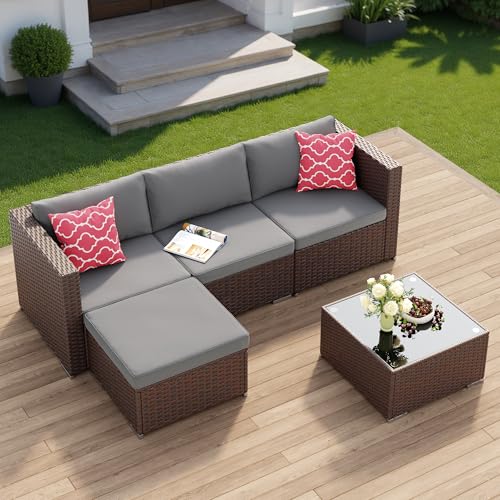
Accent tables complete your outdoor seating arrangement by providing practical surfaces where they’re needed most. You’ll find that strategically positioned tables enhance both functionality and style.
Consider your accent table styles carefully—wood, metal, stone, or weather-resistant composites each offer distinct aesthetic qualities. Match materials to your existing furniture and décor for visual cohesion.
Table placement matters greatly. Position side tables within arm’s reach of seating so you can easily set down beverages, books, or decorative items. Corner placements work well for smaller spaces, while larger patios accommodate multiple tables throughout the arrangement.
Height compatibility’s essential—your accent tables should align roughly with your chair armrests for comfortable access. Varying heights and shapes creates visual interest without compromising usability. Choose tables that complement your seating while leaving adequate walkway space for traffic flow.


Consider Seasonal Usage Patterns
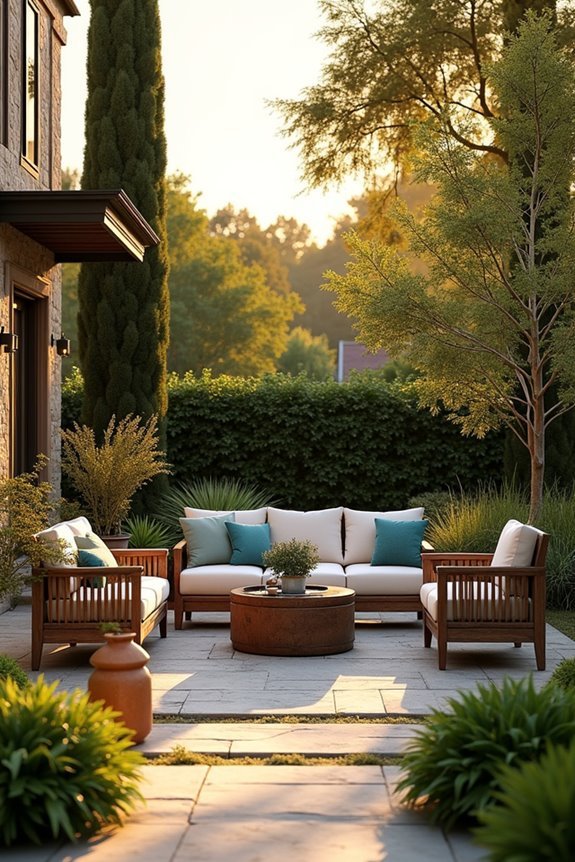
Understanding how you’ll use your outdoor space throughout the year dramatically shapes your seating choices. If you’re hosting seasonal activities only during summer months, lightweight, stackable pieces work perfectly—they’re easy to store when not needed. However, if you’re using your patio year-round, invest in weather-resistant furniture that withstands temperature fluctuations and moisture.
Consider your usage frequency honestly. Frequent entertaining demands durable, low-maintenance seating that handles constant use. Occasional gatherings allow you flexibility with more delicate materials. Climate matters too: hot regions benefit from slatted designs promoting airflow, while colder zones need cushioned seats that insulate against chilly surfaces.
Match your furniture investment to actual need. This prevents buying oversized sets gathering dust or undersized arrangements limiting your entertaining capacity.