
Birds nesting under awnings can cause significant damage and create unsanitary conditions that detract from your property’s appearance. Finding the right bird netting solution is essential for effective, long-term protection. In this comprehensive guide, we’ll examine the top 5 bird netting options specifically designed for awning protection, comparing their durability, ease of installation, and effectiveness against various bird species.
Bird-X Standard Netting


Bird-X Standard Netting offers a professional-grade solution for keeping birds away from your awnings. This lightweight yet durable polypropylene mesh creates an effective physical barrier that prevents birds from accessing the underside of awnings where they typically build nests. The nearly invisible black netting blends seamlessly with most awning designs, maintaining your property’s aesthetic appeal while providing reliable protection.
The 3/4-inch mesh size is specifically designed to exclude common pest birds like sparrows, starlings, and pigeons from nesting areas. This netting comes in a generous size that can be cut to fit your specific awning dimensions, making it versatile for various applications from residential patios to commercial storefronts.
Best for:
Property owners seeking a professional-grade, long-term solution for medium to large awnings. Ideal for areas with persistent bird problems requiring complete exclusion.
Pros:
- Professional-grade durability with UV treatment for extended outdoor use
- Nearly invisible black mesh maintains aesthetic appearance
- 3/4-inch mesh size effectively blocks most common pest birds
- Can be cut to custom dimensions for perfect fit
- Resistant to weather conditions including rain, snow, and wind
Cons:
- Professional installation recommended for optimal results
- Initial setup requires careful measurement and planning
Overall Rating:
Windyun Netting

Windyun Netting provides a versatile and reusable solution for protecting your awnings from bird intrusion. This high-density polyethylene mesh features a durable construction that stands up to outdoor conditions while creating an effective barrier against birds of all sizes. The netting’s reinforced edges prevent fraying and tearing, ensuring long-lasting protection for your property.
What sets Windyun Netting apart is its user-friendly design that makes DIY installation possible for most homeowners. The lightweight yet strong material can be easily cut to size and secured with the included fasteners, allowing for a custom fit on virtually any awning configuration. Its black color helps it blend with shadows under awnings, maintaining your property’s appearance.
Best for:
DIY homeowners looking for an affordable, easy-to-install solution for small to medium-sized awnings. Perfect for seasonal protection or areas with moderate bird pressure.
Pros:
- Lightweight and easy to handle during DIY installation
- Includes fasteners and installation accessories
- Reusable design allows for seasonal application
- Reinforced edges prevent fraying and extend product life
- Cost-effective solution compared to professional installations
Cons:
- May require more frequent replacement than professional-grade options
- Less suitable for large commercial applications
Overall Rating:
JUNKOGO Netting
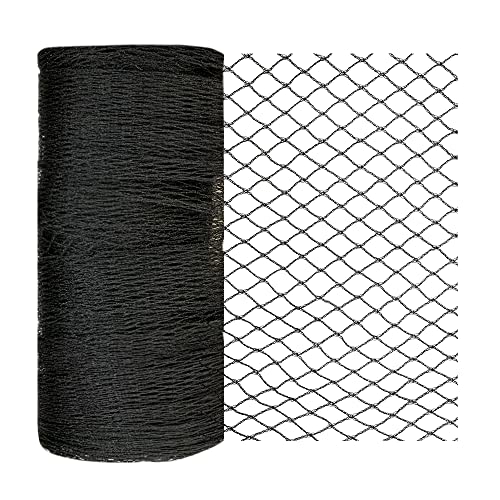
JUNKOGO Netting offers premium protection against birds with its extra-strong polyethylene construction. This heavy-duty netting is specifically designed to withstand harsh weather conditions while providing reliable bird exclusion for awnings. The tight mesh pattern creates an impenetrable barrier that prevents even small birds from accessing the protected area, making it an excellent choice for properties with persistent bird problems.
What makes JUNKOGO stand out is its enhanced UV resistance and tear-resistant properties. The reinforced edges and corners provide additional strength at vulnerable points, extending the product’s lifespan even in challenging outdoor environments. Despite its durability, the netting remains lightweight enough for straightforward installation, with pre-cut sizes that can be further customized to fit your specific awning dimensions.
Best for:
Commercial property owners and businesses requiring heavy-duty protection for high-traffic areas. Ideal for locations with aggressive bird species or severe nesting problems.
Pros:
- Superior strength and durability compared to standard netting
- Enhanced UV resistance prevents degradation from sun exposure
- Reinforced edges and corners for extended lifespan
- Tight mesh pattern excludes even small bird species
- Maintains effectiveness in harsh weather conditions
Cons:
- Higher price point than basic netting options
- Heavier material may require more robust attachment methods
Overall Rating:
Coolrunner Anti-Bird Netting

Coolrunner Anti-Bird Netting provides an excellent balance of affordability and effectiveness for awning protection. This versatile netting features a durable polyethylene construction with a specialized mesh design that prevents birds from accessing protected areas while maintaining airflow and visibility. The material is treated to resist UV degradation, ensuring it remains effective through multiple seasons of outdoor exposure.
What makes Coolrunner particularly appealing is its user-friendly installation process. The lightweight yet strong material can be easily cut and shaped to fit various awning configurations, and the package includes fasteners for secure attachment. The black color helps the netting blend with shadows under awnings, making it nearly invisible from a distance while still providing reliable bird exclusion.
Best for:
Homeowners seeking an affordable, easy-to-install solution for residential awnings. Perfect for DIY installation on patios, porches, and small commercial awnings.
Pros:
- Excellent value for cost-conscious consumers
- Lightweight design makes DIY installation straightforward
- UV-resistant material for extended outdoor use
- Includes fasteners and installation accessories
- Nearly invisible when properly installed
Cons:
- May not be as durable as premium options for severe conditions
- Requires careful installation to prevent gaps
Overall Rating:
Netting Protection
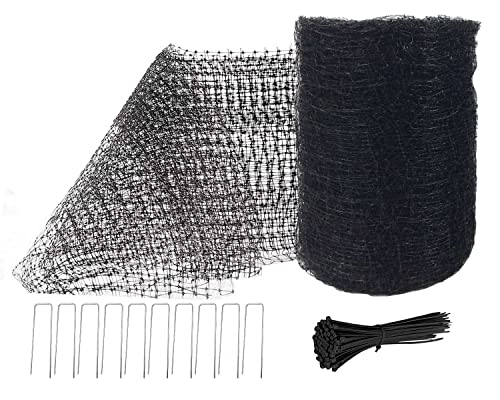
Netting Protection offers a specialized solution designed specifically for awning applications. This premium bird netting features a reinforced edge design that prevents fraying and ensures long-term durability even when exposed to challenging weather conditions. The precise mesh size is engineered to block all common pest birds while maintaining adequate airflow and visibility through the protected area.
What distinguishes this product is its professional-grade construction combined with DIY-friendly installation features. The netting comes with a complete hardware kit including corner attachments, perimeter cable, and fasteners specifically designed for awning applications. This comprehensive approach ensures a secure, gap-free installation that effectively prevents birds from accessing the protected space without requiring professional installation services.
Best for:
Property owners seeking a complete, professional-quality solution with all necessary hardware included. Ideal for both residential and commercial awnings requiring reliable, long-term protection.
Pros:
- Complete kit includes all necessary installation hardware
- Reinforced edges prevent fraying and extend product life
- Professional-grade materials ensure long-term effectiveness
- Specialized corner attachments create secure, gap-free protection
- Detailed installation instructions make DIY application possible
Cons:
- Higher initial investment than basic netting options
- Installation process more involved due to specialized hardware
Overall Rating:
How to Install Bird Netting on Awnings
Proper installation is crucial for ensuring your bird netting provides effective, long-lasting protection for your awnings. Follow these steps for a successful DIY installation:
- Measure the area: Carefully measure the underside of your awning, adding 1-2 feet on each side to ensure complete coverage.
- Gather supplies: In addition to your chosen netting, you’ll need cable ties, hooks or eye screws, perimeter cable (for larger installations), and cutting tools.
- Prepare the area: Clean the awning thoroughly and remove any existing nests or debris before installation.
- Cut the netting: Cut your netting to the measured size, leaving extra material for secure attachment.
- Secure attachment points: Install hooks, eye screws, or other attachment hardware around the perimeter of the area.
- Attach the netting: Starting from one corner, secure the netting to your attachment points, working your way around the perimeter.
- Ensure tension: Pull the netting taut as you attach it to prevent sagging and create an effective barrier.
- Seal the edges: Pay special attention to corners and edges to ensure there are no gaps where birds could enter.
“The most common installation mistake is leaving gaps at the edges. Birds can find openings as small as half an inch to gain access to your awning. Always double-check your perimeter attachment points.”
Understanding Bird Behavior and Nesting Patterns
Effective bird control starts with understanding why birds are attracted to awnings in the first place. Birds seek sheltered, elevated locations for nesting that offer protection from predators and weather. Awnings provide an ideal combination of shelter, height, and structural support for nest building.
Different bird species present different challenges when it comes to awning protection:
Pigeons and Doves
These larger birds build substantial nests with twigs and debris. They’re persistent and may return to the same nesting site repeatedly. Their droppings are particularly problematic due to volume and acidity, which can damage awning materials.
Sparrows and Finches
These smaller birds can access tiny openings and build nests in confined spaces. They often use softer materials like grass, feathers, and small twigs. Their nests can block drainage channels and create fire hazards near lighting fixtures.
Swallows
Known for their mud nests, swallows create hard, cup-shaped structures that adhere strongly to surfaces. These nests are particularly difficult to remove and can cause permanent staining on awning materials.
Starlings
Highly adaptable birds that nest in cavities and protected areas. They often bring a variety of materials including twigs, grass, feathers, and even trash. Their nests can be particularly messy and unhygienic.
Important: Bird nesting seasons vary by region and species, but most active nesting occurs during spring and early summer. Installing bird netting before the nesting season begins is crucial for prevention. Once birds have established nests with eggs or young, removal may be restricted by wildlife protection laws.
Factors to Consider When Choosing Bird Netting for Awnings
Selecting the right bird netting for your specific awning requires careful consideration of several key factors. Understanding these elements will help you make an informed decision that provides effective, long-lasting protection.
Mesh Size
The mesh size determines which bird species your netting will effectively exclude. Standard 3/4-inch mesh works for most common pest birds like pigeons and starlings, but smaller mesh (1/2-inch or 1/4-inch) may be necessary for smaller species like sparrows and finches. Consider the specific birds in your area when selecting mesh size.
Material Durability
Bird netting materials vary significantly in durability and lifespan. Look for UV-stabilized materials that resist sun damage, which is crucial for awning applications with high sun exposure. Premium nettings with multi-year warranties typically use higher-grade materials that withstand weather extremes better than budget options.
Installation Method
Consider how the netting will be attached to your specific awning structure. Some awnings require specialized hardware like tension cables or corner attachments, while others may work with simple fasteners. Evaluate whether the installation is within your DIY capabilities or if professional installation would be more appropriate for your situation.
Visibility and Aesthetics
Bird netting can impact the appearance of your awning. Black netting is typically less visible against dark backgrounds and shadows, while white or stone-colored netting may blend better with light-colored awnings. Consider the visual impact from different viewing angles and distances when selecting your netting color.
Budget Considerations
Bird netting prices vary widely based on quality, size, and included hardware. While it may be tempting to choose the least expensive option, consider the long-term value. Premium netting that lasts 5-10 years may ultimately be more cost-effective than budget options requiring frequent replacement, especially when factoring in installation time and effort.
| Netting Type | Typical Lifespan | Best For | Maintenance Required |
| Standard Polyethylene | 3-5 years | Residential awnings, moderate bird pressure | Annual inspection for damage |
| Heavy-Duty Polyethylene | 5-8 years | Commercial awnings, persistent bird problems | Periodic tension adjustment |
| Professional-Grade Knotted | 8-10+ years | Large commercial installations, severe bird issues | Minimal, occasional cleaning |
| Lightweight Polypropylene | 1-3 years | Temporary protection, seasonal use | Regular replacement |
Conclusion: Protecting Your Awnings from Bird Damage
Investing in quality bird netting for your awnings is a proactive approach to preventing damage, maintaining cleanliness, and preserving your property’s appearance. The right netting solution creates an effective physical barrier that humanely prevents birds from nesting while avoiding the ongoing costs of cleaning and repairs associated with bird infestations.
Each of the five products reviewed offers distinct advantages depending on your specific needs, budget, and installation preferences. Whether you choose a professional-grade solution like Bird-X Standard Netting or JUNKOGO Netting for maximum durability, or opt for a more budget-friendly option like Coolrunner Anti-Bird Netting for DIY installation, proper selection and installation are key to successful bird control.
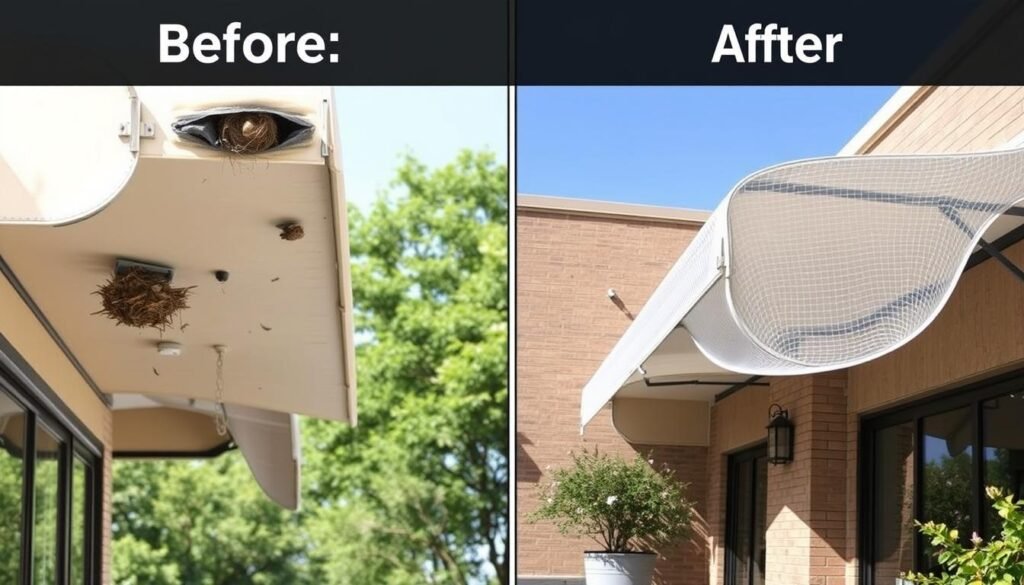
Remember that bird control is most effective when implemented before nesting begins. By understanding bird behavior, selecting the appropriate netting, and ensuring proper installation, you can enjoy a bird-free awning that maintains its appearance and functionality for years to come.